


How to Restore Faded Outdoor Furniture with Handydads
Outdoor furniture brings comfort and style to patios and backyards, but continuous exposure to sun, rain, and snow can leave your décor looking dull and weather-beaten. Restoring your faded chairs and tables not only extends their life but also revitalizes your entire outdoor space. This simple weekend project can be done with a few basic tools and a little elbow grease, making it perfect for DIY enthusiasts looking to upgrade their yard. Whether your furniture is plastic, wood, or metal, it's never too late for a fresh facelift. Read on for everything you need to know to get started.
Project Snapshot
The goal of this project is to bring faded or discolored outdoor furniture back to life while maintaining its durability against the elements. Restoring furniture adds curb appeal and comfort to any outside area, while saving you the cost of buying all new pieces. Best of all, most furniture types can be revived in just a few hours over a weekend with simple tools and affordable products. With steady effort and the right process, results will be immediately visible.
Tools and Materials
You will need a mild detergent, sponge or soft brush, clean buckets, 120 to 220 grit sandpaper or sanding sponge, hose or pressure washer (optional for rinsing), protective gloves, microfiber towels, outdoor spray paint or wood stain for your furniture type, sealant or protective topcoat, and drop cloths.
Step-by-Step Instructions
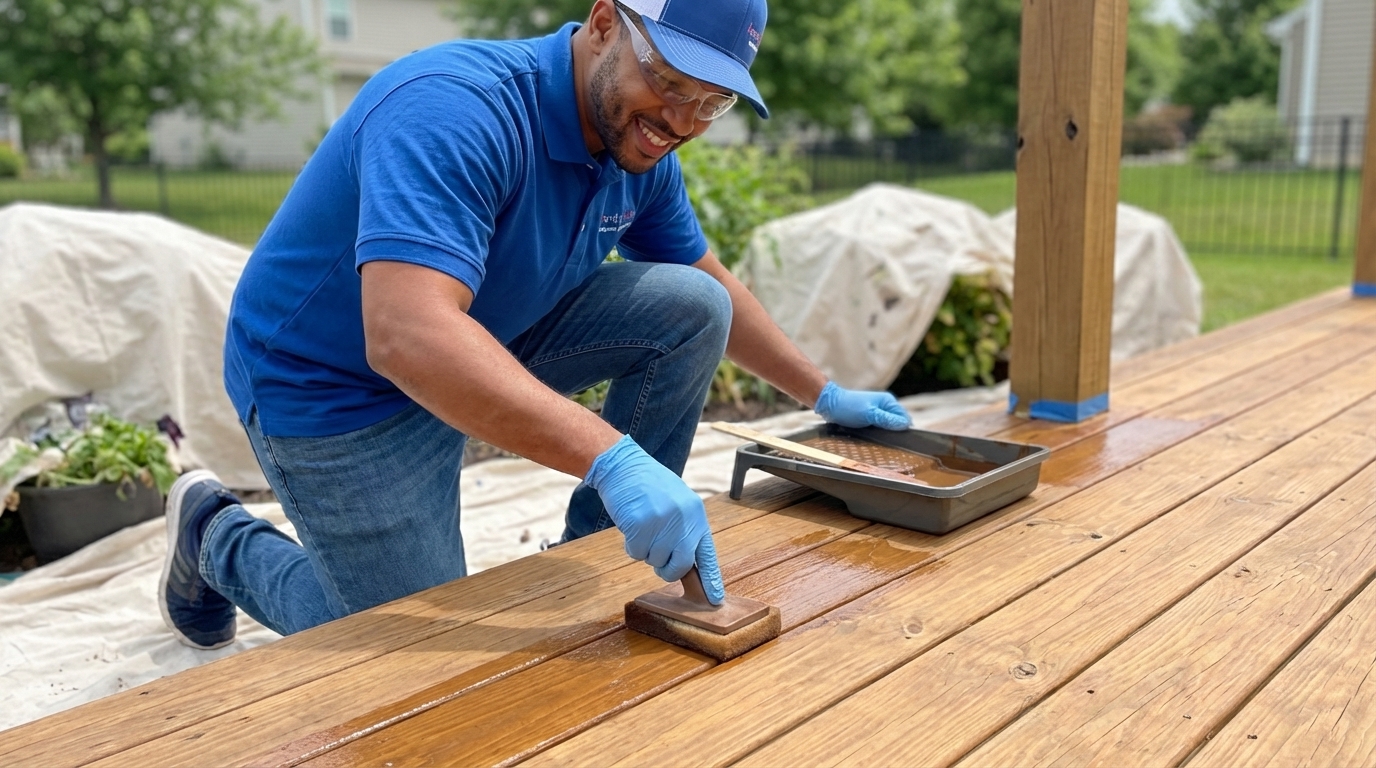
Start by thoroughly cleaning your outdoor furniture with mild detergent and water, scrubbing away dust, dirt, and mildew. Rinse all surfaces completely and allow everything to dry fully before proceeding. If your furniture is wooden or metal, gently sand the faded or peeling areas to create a smooth surface and remove any remaining finish. Wipe down each piece with a damp microfiber towel to remove dust and let it air dry again. Next, lay out drop cloths to protect your work area and apply a thin, even coat of spray paint or stain suitable for your furniture material, following label directions. Once the color is dry, add a layer of outdoor sealant or clear coat to protect against future weather damage. Let everything cure as specified before returning the furniture to its usual spot.
From the Toolbox
Last summer, a client called Handydads after noticing their favorite Adirondack chairs had lost all their color and were starting to roughen. The team guided them through a simple restoration using leftover white outdoor paint and clear finish from a prior fence job. The once-faded chairs became the highlight of the patio, ready for another season of barbecues. The homeowner later shared photos, proud to have saved money and revived memories along with their cherished furniture.
Top 5 Mistakes
Skipping cleaning before sanding and painting, forgetting to let surfaces dry between steps, choosing the wrong type of paint or stain for your furniture material, neglecting to use a sealant or protective finish, and applying thick coats instead of several thin layers. Each of these can compromise longevity and appearance.
Tool and Material Recommendations
Opt for a high-quality outdoor spray paint or stain that offers UV resistance, like Rust-Oleum or Minwax stains. Use a soft bristle brush for stubborn grime and consider an adjustable sanding sponge for tough curves. A solid outdoor-rated sealant is essential to lock in your hard work.
Quick Tips and Hacks
Work on dry, warm days to speed up drying times. For extra color depth, add an additional light coat of paint. Test your spray paint or stain on a hidden spot to check the finish. Use painter’s tape to cover any areas you don’t want to color. For metal furniture, spot-treat any rust with a converter before painting.
Need a Hand?
If you want flawless results without the hassle, Handydads can restore your outdoor furniture quickly and affordably. Contact us today to turn your faded pieces into backyard treasures again.
Comments